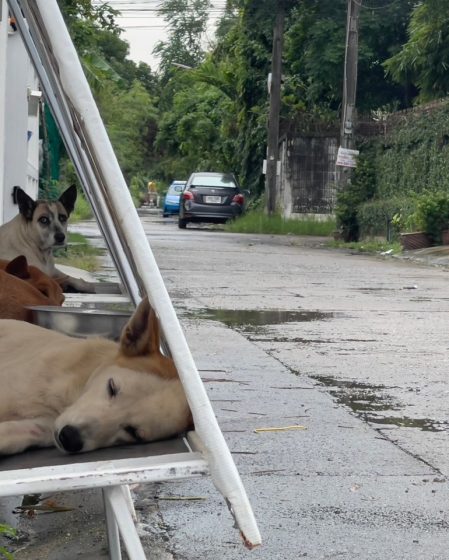
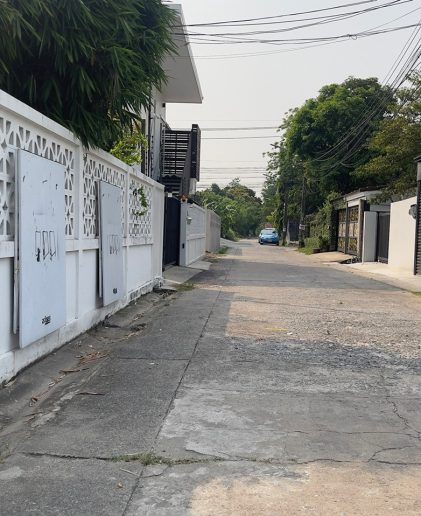
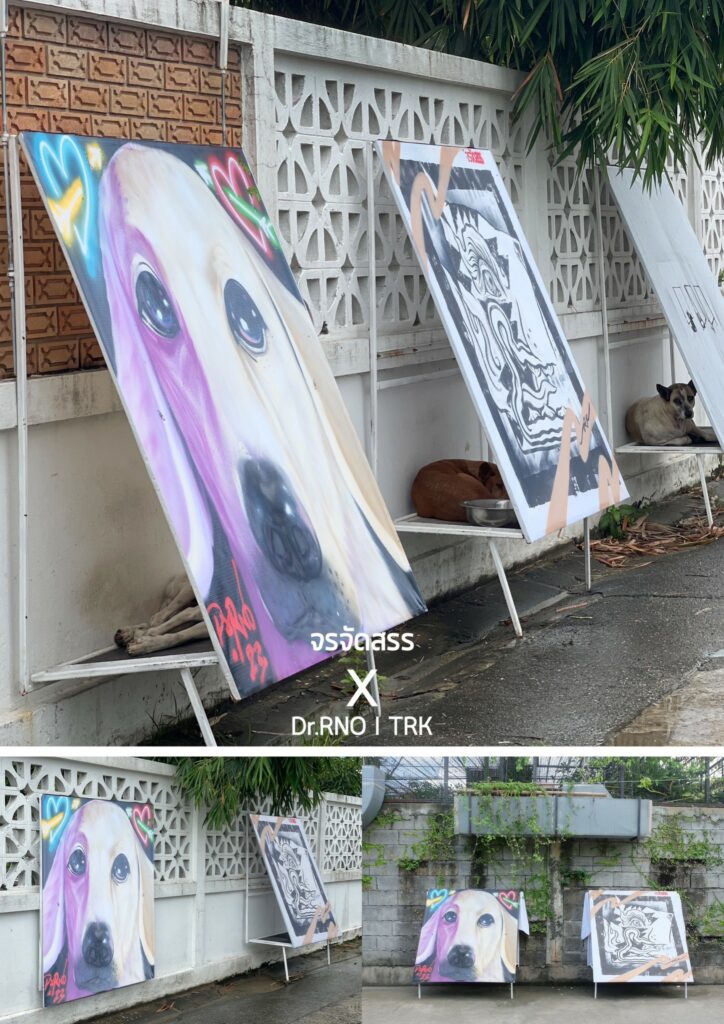
“Stray dogs” have been a complex problem in Thailand’s social structure for some time. Although there have been attempts by many sectors to deal with this problem, there has been a lack of integrity that causes overlap and wastes a lot of budgets. It is also lacking awareness of the problems from people in society which makes it impossible to solve the problem of stray dogs as effectively as they should.
Therefore, it is an academic question to conduct research in order to know the guidelines to resolve this issue systematically. This study is a mixed, processed, and experimental study. Data is collected by surveying, interviewing, and recording from samples for analysis, synthesis, and integration of various design arts in appropriate ways in accordance with the objectives of this research.
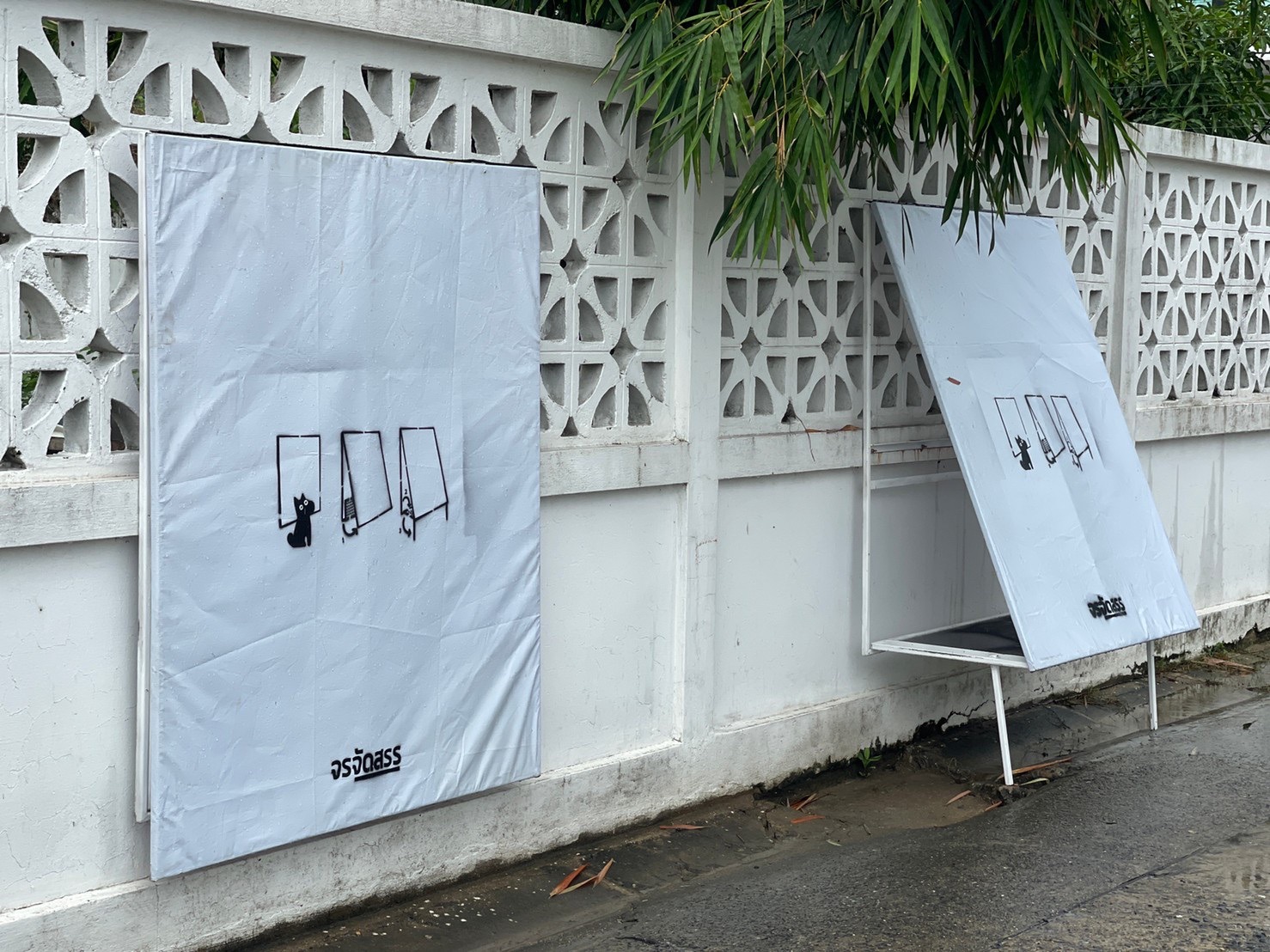
Therefore, ‘Stand for Stray’ has set goalsand framed the assumptions in design to solve the problem of the welfare of stray dogs in shelters and communities, along with communicating the problem of stray dogs to the target group through activities and medias suitable for the digital society with working on a “long-term” solution. In the research, “Stand for Strays” continues to focus on the issues of cultivating and stimulating people’s consciousness, which is the root cause of the problem of stray dogs, in order to create understanding and bring cooperation in solving the problem of stray dogs systematically.
Stand for Strays
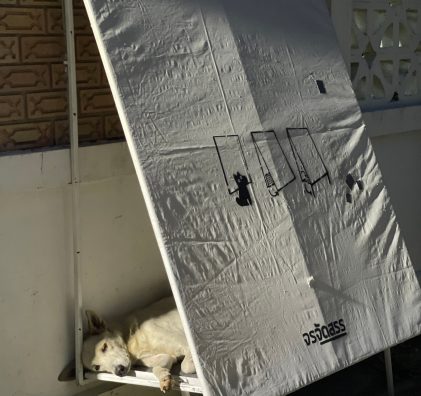
The research under the project name “Stand for Strays” was conducted, analyzed,and synthesized into “design” to enhance the welfare of stray dogs in many dimensions, both short-term and long-term by adding value and dignity to stray dogs through activities designed that can be communicated to the target group of the research.By “short-term”, which can be called a solution to the underlying problem or only the welfare of stray dogs and humans.