From Dramatic Arts to Create Learning Culture: A Case Study in Rajabhat University
เจ้าของงานวิจัย
เพียรพิลาส พิริยาโภคานนท์
Research origin
The culture of Thailand’s standard education often presents curriculum in which students cannot perform to their full potential. Thus the higher education should focus on developing comprehensive knowledge integration. With a rapidly changing world caused by technological disruption, demands in the labor market also change. New graduates are supposed to have strong foundation, high resilience, and well-rounded abilities, so that they can apply their knowledge and expertise to diverse professional settings.
The researcher found all three activities are tools that can be used to develop literacy skills, positive attitude, leadership, intelligence, responsibility, judgment in problem solving, social adaptation, teamwork, communication, creative thinking, as well as continued learning to further knowledge in one’s discipline and expand to other fields. Both direct and indirect benefits are gained, all of which will improve students’ learning standards and prepare them to be able to successfully enter the real world.
From Dramatic Arts to Create Learning Culture: A Case Study in Rajabhat University
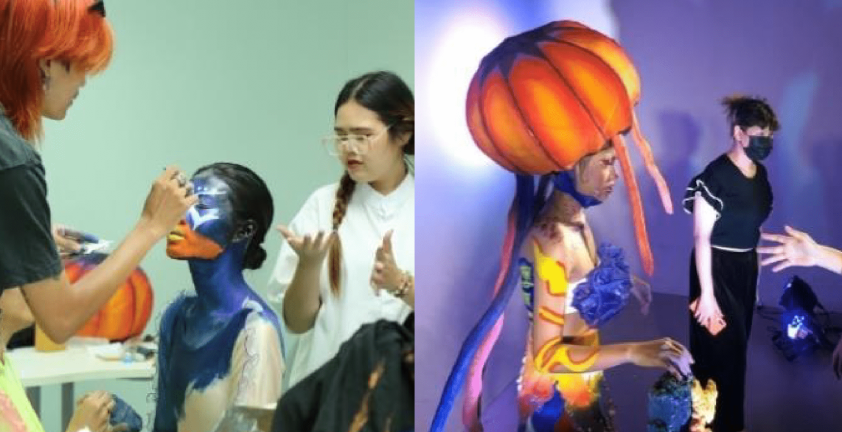
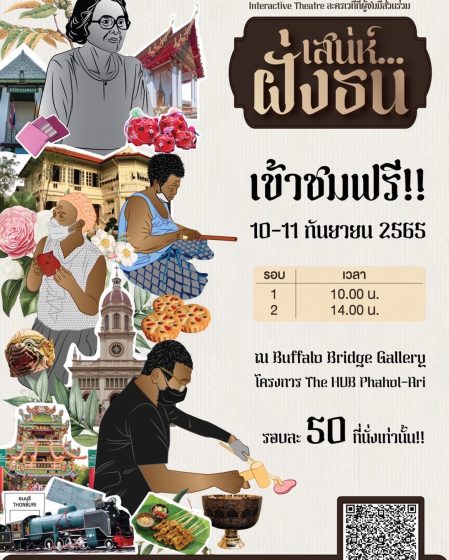
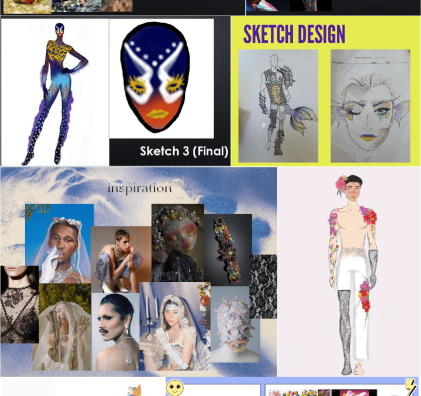
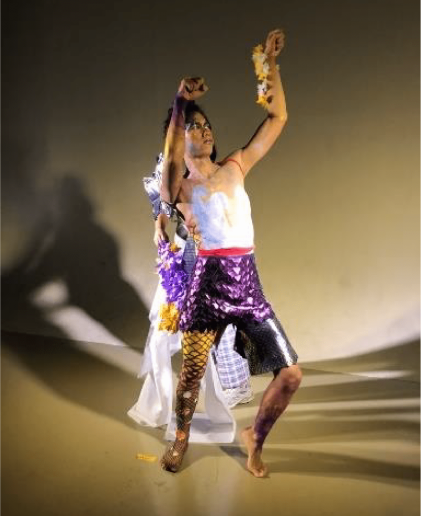
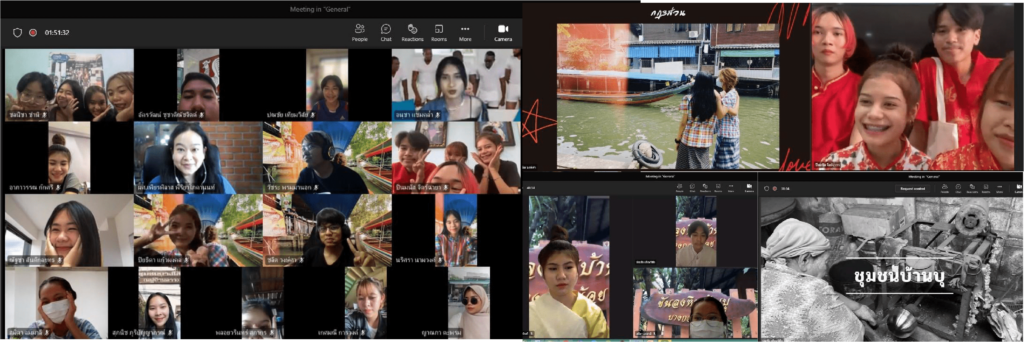
This research aims to examine Thailand’s culture of education and the structure of Dramatic Arts for knowledge integration. The research combines different methods: collecting qualitative data from experts in various fields; analyzing; synthesizing; designing activities for knowledge integration through the structure of Dramatic Arts to develop 21st century learning skill activities with art, culture, and design; measuring and assessing the before & after results by using quantitative surveys with Rajabhat students from each year as samples, while focusing on the enhancement of learning abilities. The activities were organized three times: 1) “Khun-khey” for First Year students so that they can build self-understanding on developing skills for this major 2) “Khluk-khli” for Second Year students so that they have foundation and learn about different yet connected majors within the faculty 3) “Khli-khlay” for Third Year students so that they can develop well-rounded skills and cross-disciplinary integration within the university.